Introduction
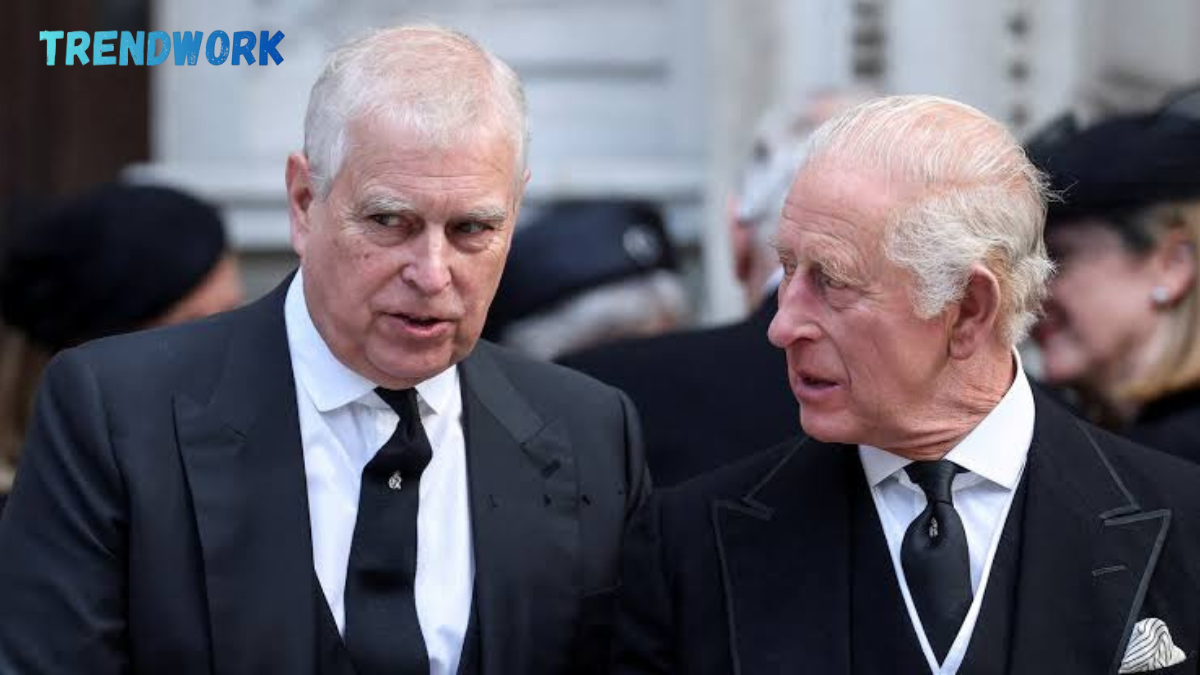
Prince Andrew, Duke of York, has long been one of the most talked‑about figures in the British Royal Family. Born into privilege and responsibility, his life has been marked by both achievements and controversies. As the second son of Queen Elizabeth II, his role within the monarchy was significant, yet his personal choices and associations have often overshadowed his contributions. This article explores his journey from childhood to military service, his personal life, and the scandals that reshaped his public image.
Early Life and Background
Prince Andrew was born on February 19, 1960, at Buckingham Palace. Growing up in the royal household, he experienced a childhood steeped in tradition and duty. His education included prestigious institutions such as Gordonstoun School in Scotland, where discipline and outdoor challenges shaped his character.
As the second son of Queen Elizabeth II and Prince Philip, Andrew’s position was unique. He was neither the heir nor entirely free from royal obligations. His relationship with his siblings, particularly King Charles III, reflected both camaraderie and the pressures of royal life. From an early age, Andrew was seen as confident, outgoing, and adventurous, traits that would later define his military career and public persona.
Military Career and Public Duties
Prince Andrew’s military career is often regarded as his most commendable achievement. He joined the Royal Navy in 1979 and trained as a helicopter pilot. His service during the Falklands War in 1982 earned him respect, as he flew missions that included anti‑submarine warfare and casualty evacuation.
After his active service, Andrew transitioned into royal duties, representing the monarchy at events worldwide. He became patron of numerous charities and organizations, focusing on education, entrepreneurship, and technology. His role as the UK’s Special Representative for International Trade and Investment highlighted his efforts to promote British business abroad. However, his business connections later became a source of controversy.
Personal Life and Relationships
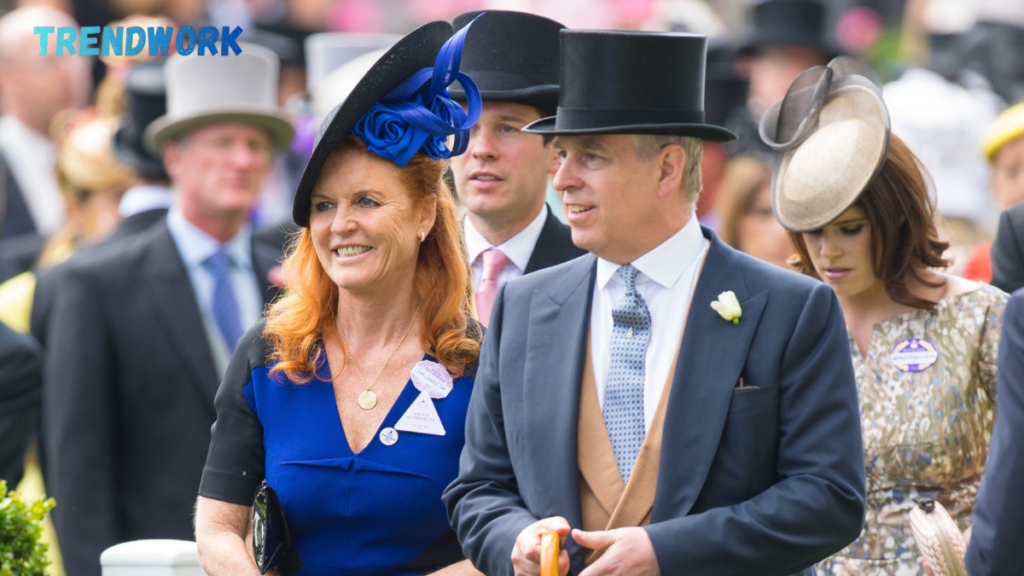
Prince Andrew’s marriage to Sarah Ferguson in 1986 was a celebrated royal event. The couple had two daughters, Princess Beatrice and Princess Eugenie, who remain active members of the Royal Family. Despite their divorce in 1996, Andrew and Sarah maintained a close relationship, often appearing together at family events.
His personal life, however, attracted media scrutiny. Relationships, lifestyle choices, and financial dealings often made headlines. While his devotion to his daughters was widely acknowledged, his private life sometimes clashed with the expectations of royal decorum.
Controversies and Legal Challenges
The most damaging chapter of Prince Andrew’s life came from his association with financier Jeffrey Epstein. Allegations of misconduct and legal challenges severely tarnished his reputation. His 2019 BBC interview, intended to clarify his position, instead intensified public criticism.
Beyond Epstein, Andrew faced questions about his financial dealings and business connections. Reports of lavish spending and questionable partnerships fueled negative perceptions. These controversies led to his withdrawal from public duties, marking a dramatic fall from grace for a senior royal.
Impact on the Royal Family
Prince Andrew’s controversies had profound implications for the monarchy. The Royal Family, known for its emphasis on duty and tradition, faced unprecedented scrutiny. Queen Elizabeth II’s decision to support Andrew’s withdrawal from public life reflected the seriousness of the situation.
The scandal also affected the monarchy’s global reputation, raising questions about accountability and transparency. For the Royal Family, Andrew’s downfall was a reminder of how individual actions can impact an institution centuries old.
Media Coverage and Public Opinion
Media coverage of Prince Andrew has shifted dramatically over the years. Once portrayed as a heroic naval officer and charismatic royal, he is now often associated with scandal and disgrace. Public opinion, both in the UK and internationally, reflects disappointment and disapproval.
The global media’s focus on his controversies amplified their impact, making it difficult for Andrew to rehabilitate his image. While some sympathize with his personal struggles, the majority view his actions as damaging to the monarchy.
Conclusion
Prince Andrew’s life is a complex blend of privilege, service, and controversy. His military career and dedication to his daughters highlight his positive contributions, yet his associations and decisions have overshadowed them. The legacy of Prince Andrew remains controversial, with his future role in the Royal Family uncertain. His story serves as a cautionary tale of how personal choices can redefine public perception and alter the course of history.
FAQs
Who is Prince Andrew?
Prince Andrew is the Duke of York, the second son of Queen Elizabeth II.
What role did Prince Andrew play in the Falklands War?
He served as a Royal Navy helicopter pilot, flying missions during the conflict.
Who are Prince Andrew’s children?
He has two daughters, Princess Beatrice and Princess Eugenie.
Why did Prince Andrew step back from royal duties?
He withdrew due to controversies surrounding his association with Jeffrey Epstein.
What is Prince Andrew’s current status within the Royal Family?
He remains a member of the Royal Family but does not perform public duties.
How has the media influenced public opinion about Prince Andrew?
Media coverage of his controversies has significantly shaped global perception, often negatively.
Next Read: family dollar near me