Introduction
genghis khan children, born as Temüjin, rose from humble beginnings to become one of history’s most formidable conquerors. His vision and military genius forged the Mongol Empire, which stretched across Asia and into Europe. Yet, his legacy was not solely defined by his conquests. The children of Genghis Khan played a pivotal role in shaping the empire’s future, ensuring that his influence extended far beyond his lifetime. Understanding his family dynamics provides insight into how succession, politics, and alliances determined the fate of the Mongol world genghis khan children.
The Mongol Empire was not just a product of Genghis Khan’s leadership but also of the strategic roles his sons and daughters assumed. Each child contributed uniquely—whether through governance, diplomacy, or military campaigns. Their stories reveal the complexities of power, loyalty, and rivalry within one of history’s greatest dynasties.
Early Family Life of Genghis Khan
genghis khan children marriage to Börte was a cornerstone of his personal and political life. Börte, his first and principal wife, gave birth to his four sons—Jochi, Chagatai, Ögedei, and Tolui—who would later become central figures in the empire’s succession. In Mongol society, family ties were deeply intertwined with political authority, and Börte’s influence ensured stability during the early years of Genghis Khan’s rise.
Beyond Börte, genghis khan children had numerous wives and concubines, reflecting the Mongol tradition of expanding alliances through marriage. These unions were not merely personal but strategic, strengthening ties with tribes and securing loyalty across vast territories. The children born from these relationships expanded his lineage, creating a network of heirs who could govern different regions.
Family life in the Mongol steppe was both practical and political. genghis khan children were raised to embody the values of loyalty, discipline, and leadership. Sons were groomed for military and administrative roles, while daughters were often married into influential families to secure alliances. This system ensured that Genghis Khan’s bloodline became a powerful tool for empire-building.
The Sons of Genghis Khan
The four principal sons of genghis khan children each carried distinct responsibilities and legacies. Jochi, the eldest, faced controversy regarding his legitimacy due to Börte’s earlier abduction. Despite this, he commanded campaigns in western territories, laying the foundation for the Golden Horde. His leadership extended Mongol influence into Russia and Eastern Europe.
genghis khan children, known for his strict adherence to Mongol law, became a guardian of tradition. His governance emphasized discipline and order, ensuring that the empire’s legal framework remained intact. His descendants ruled Central Asia, forming the Chagatai Khanate.
Ögedei, chosen as genghis khan children successor, became the Great Khan. His reign marked the consolidation of Mongol power, with significant expansions into China and Persia. Ögedei’s leadership was instrumental in maintaining unity after Genghis Khan’s death.
Tolui, the youngest, inherited the genghis khan children heartland. Renowned for his military prowess, he led campaigns that secured key victories. His descendants, including Möngke and Kublai Khan, would later dominate the empire, with Kublai founding the Yuan Dynasty in China. Together, these sons ensured that the Mongol Empire remained a formidable force long after their father’s passing.
The Daughters of Genghis Khan
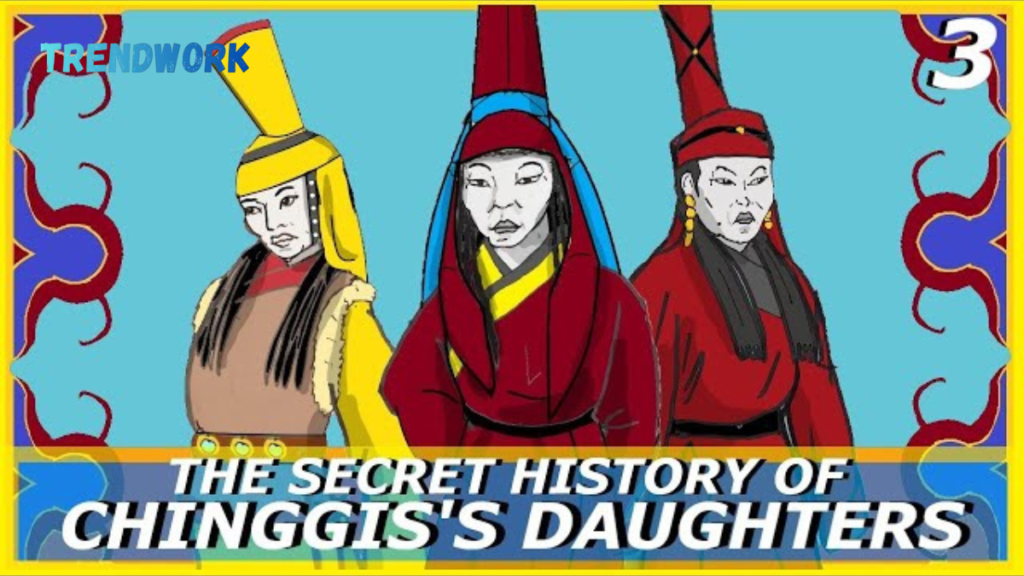
While the sons often dominate historical narratives, genghis khan children daughters played equally vital roles. Through strategic marriages, they secured alliances with powerful tribes and kingdoms. These unions were essential for stabilizing newly conquered regions and preventing rebellion.
Daughters such as Alaqai Beki were entrusted with governance, overseeing territories and ensuring loyalty to the empire. Their influence extended beyond domestic affairs, as they often acted as diplomats, negotiating peace and fostering cooperation.
The daughters’ contributions highlight the importance of women in Mongol society. Unlike many contemporary cultures, Mongol women held significant authority, both within the household and in political spheres. By leveraging their positions, genghis khan children daughters reinforced the empire’s foundations, proving that his dynasty was strengthened not only by warriors but also by skilled negotiators and leaders.
Succession and Power Struggles
Succession was one of the greatest challenges facing Genghis Khan’s empire. Although Ögedei was chosen as the Great Khan, rivalries among his brothers and their descendants created tensions. Jochi’s disputed legitimacy fueled divisions, while Chagatai’s insistence on tradition often clashed with others’ ambitions.
After Ögedei’s death, the empire faced fragmentation. Power struggles erupted, with different branches of the family vying for dominance. Tolui’s descendants eventually rose to prominence, with Möngke becoming Great Khan and Kublai establishing the Yuan Dynasty in China. These shifts illustrate how succession was not a straightforward process but a complex interplay of loyalty, rivalry, and ambition.
Despite these conflicts, the Mongol Empire continued to expand, driven by the vision and leadership of Genghis Khan’s children and grandchildren. Their ability to navigate succession crises ensured that the empire remained influential for generations.
Legacy of Genghis Khan’s Children
The legacy of Genghis Khan’s children is monumental. Their leadership extended the empire across continents, influencing cultures, economies, and political systems. The Golden Horde in Russia, the Chagatai Khanate in Central Asia, and the Yuan Dynasty in China all trace their origins to his heirs.
Beyond political achievements, modern genetic studies suggest that millions of people today may descend from Genghis Khan, underscoring the vast reach of his lineage. His children’s impact was not limited to conquest but also to cultural exchange, trade, and governance.
Ultimately, the dynasty shaped by Genghis Khan’s children transformed the medieval world, leaving a legacy that continues to fascinate historians and scholars.
Conclusion
The story of Genghis Khan’s children is one of power, ambition, and legacy. From the controversies surrounding Jochi to the rise of Kublai Khan, their lives reflect the complexities of succession and empire-building. Sons and daughters alike contributed to the Mongol Empire’s expansion, ensuring that Genghis Khan’s vision endured.
Their influence reshaped continents, creating political structures and cultural exchanges that defined centuries of history. The dynasty they built remains a testament to the enduring power of family in shaping empires.
FAQs
How many children did Genghis Khan have?
Estimates suggest he had dozens, though exact numbers remain debated.
Who was Genghis Khan’s chosen successor?
Ögedei Khan was appointed as Great Khan after his father’s death.
Why was Jochi’s legitimacy questioned?
His birth followed Börte’s abduction, leading to doubts about his paternity.
Did Genghis Khan’s daughters hold political power?
Yes, many governed territories and secured alliances through marriage.
Which of his children founded the Yuan Dynasty?
Tolui’s son, Kublai Khan, established the Yuan Dynasty in China.
Are there modern descendants of Genghis Khan?
Genetic studies suggest millions worldwide may trace ancestry to him.
Next Read: prince andrew