Introduction
South America is a continent that captivates the imagination with its vast landscapes, diverse cultures, and rich history. Stretching from the Caribbean coastlines to the icy tip of Patagonia, it is home to breathtaking natural wonders, vibrant traditions, and bustling modern cities. This continent is not only geographically diverse but also culturally layered, offering travelers and scholars alike a unique blend of ancient civilizations and contemporary lifestyles.
The importance of South America lies in its ability to balance tradition with modernity. From the Amazon rainforest, often referred to as the “lungs of the Earth,” to the cosmopolitan streets of Buenos Aires, the continent showcases contrasts that make it one of the most fascinating places on the planet. Whether you are drawn to its natural beauty, intrigued by its historical milestones, or eager to experience its cultural vibrancy, South America offers something for everyone.
Geography and Natural Wonders
South America’s geography is as diverse as its people. The continent is dominated by the Andes Mountains, the longest continental mountain range in the world, stretching across seven countries. These towering peaks not only shape the climate but also influence the lifestyles of millions who live along their slopes. The Amazon River, the second longest river globally, flows through dense rainforests that harbor unparalleled biodiversity.
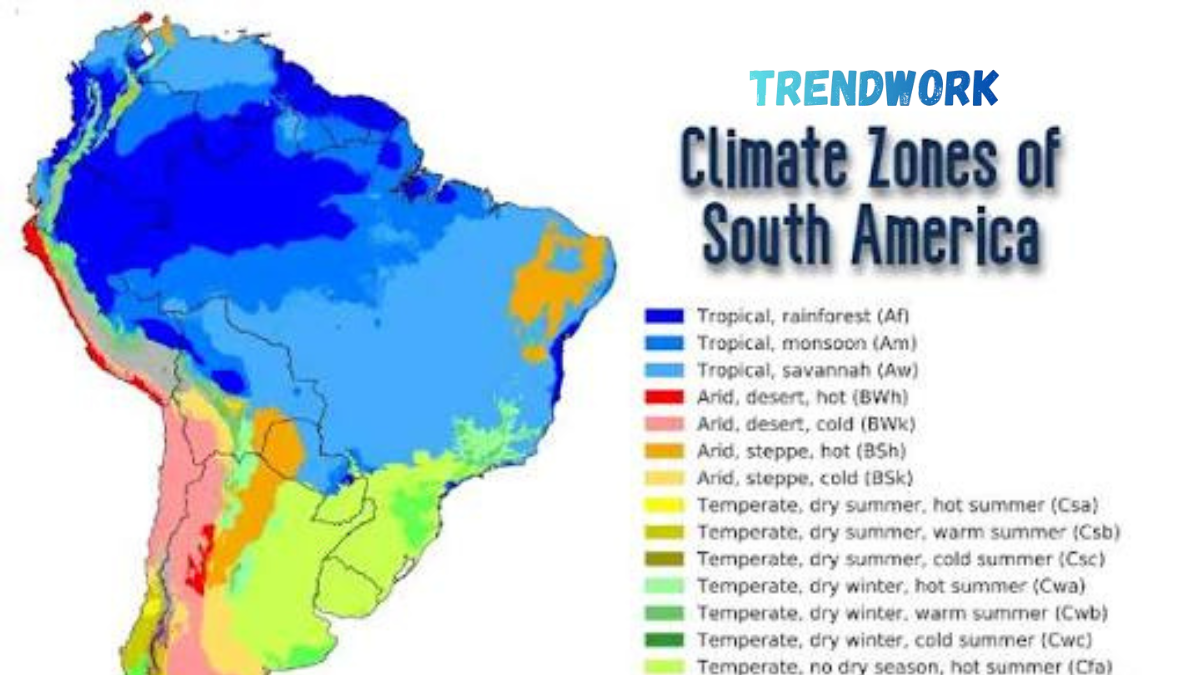
The continent’s climate zones range from tropical rainforests in Brazil to arid deserts in Chile. The Atacama Desert, considered the driest place on Earth, contrasts sharply with the lush greenery of the Amazon Basin. Iconic landmarks such as Iguazu Falls, straddling the border of Argentina and Brazil, and Patagonia’s glaciers highlight the continent’s natural grandeur. These wonders not only attract millions of tourists but also play a crucial role in global ecological balance.
South America’s geography is more than just landscapes; it is a living testament to nature’s extremes. From the Galápagos Islands’ unique wildlife to the Pampas grasslands that sustain agriculture, the continent’s natural features are deeply intertwined with its economy and culture.
History and Ancient Civilizations
The history of South America is marked by the rise and fall of powerful civilizations. Long before European colonization, the Inca Empire thrived in the Andes, building sophisticated cities like Machu Picchu. Other cultures, such as the Nazca, left behind mysterious geoglyphs that continue to puzzle archaeologists. These civilizations developed advanced agricultural techniques, intricate art forms, and spiritual traditions that still influence modern societies.
The arrival of Spanish and Portuguese explorers in the 15th and 16th centuries reshaped the continent. Colonization brought new languages, religions, and governance systems, but it also led to the exploitation of indigenous populations. The struggle for independence in the 19th century saw leaders like Simón Bolívar and José de San Martín fight for freedom, resulting in the birth of modern nations.
Today, South America’s history is celebrated through museums, archaeological sites, and cultural festivals. It serves as a reminder of resilience and adaptation, showcasing how ancient traditions coexist with modern progress.
Culture and Traditions
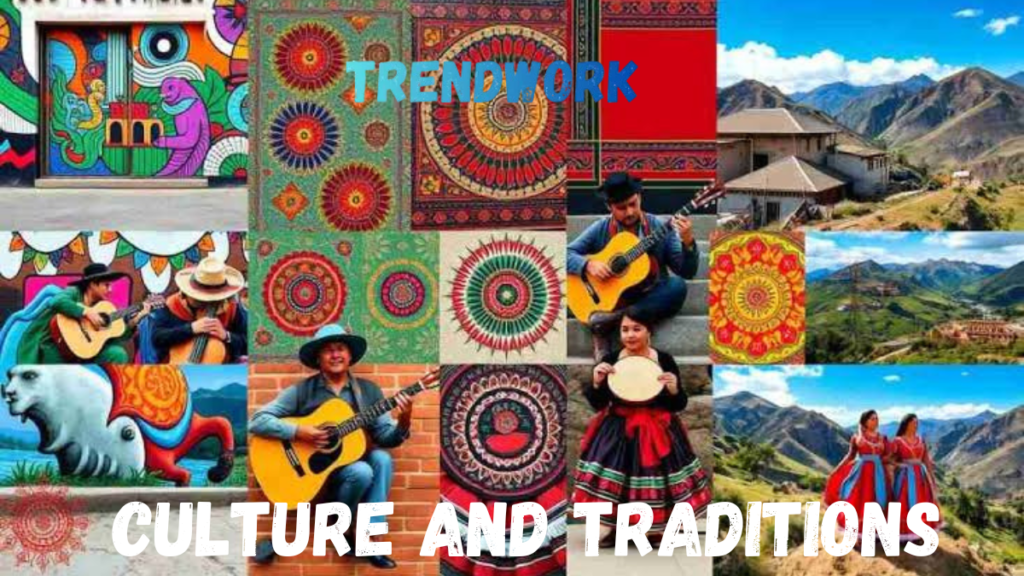
South America’s cultural fabric is woven from indigenous heritage, colonial influences, and modern creativity. Spanish and Portuguese are the dominant languages, but indigenous tongues like Quechua and Guarani remain vital in many regions. This linguistic diversity reflects the continent’s layered identity.
Music and dance are integral to South American life. Brazil’s samba and Argentina’s tango are world-renowned, while Andean folk music resonates with the spirit of the mountains. Festivals such as Carnival in Rio de Janeiro and Inti Raymi in Peru highlight the continent’s celebratory nature, blending indigenous rituals with modern spectacle.
Cuisine is another cultural cornerstone. From Peru’s ceviche to Colombia’s arepas, South American food reflects its agricultural richness and regional diversity. Indigenous traditions, including shamanic practices and crafts, continue to thrive, ensuring that cultural preservation remains a priority.
Economy and Development
South America’s economy is driven by agriculture, mining, oil, and tourism. Brazil, Argentina, and Chile are major players in global trade, exporting commodities like soybeans, copper, and wine. The continent’s natural resources make it a vital contributor to the global economy.
However, challenges persist. Political instability, economic inequality, and environmental concerns often hinder sustainable growth. Deforestation in the Amazon and reliance on extractive industries raise questions about long-term development. Yet, initiatives in renewable energy and eco-tourism show promise for a more balanced future.
South America’s emerging markets attract investors, while regional trade agreements strengthen economic ties. The continent’s potential lies in harnessing its resources responsibly while addressing social disparities.
Travel and Tourism
Tourism in South America is booming, thanks to its diverse attractions. Machu Picchu in Peru remains a bucket-list destination, while Rio de Janeiro’s beaches and Buenos Aires’ cultural scene draw millions annually. The Galápagos Islands offer unparalleled wildlife experiences, and Patagonia’s glaciers provide adventure for nature enthusiasts.
Adventure tourism is particularly popular, with trekking in the Andes, surfing in Ecuador, and exploring the Amazon rainforest. Eco-tourism initiatives emphasize conservation, allowing travelers to experience nature responsibly.
Travelers should consider safety, transportation, and seasonal variations when planning trips. While some regions require caution, South America overall offers unforgettable experiences for those willing to explore its contrasts.
Conclusion
South America is a continent of contrasts—where ancient civilizations meet modern cities, and natural wonders coexist with cultural vibrancy. Its geography, history, culture, economy, and tourism collectively paint a picture of resilience and diversity. Preserving its heritage and environment is crucial, ensuring that future generations can continue to marvel at its beauty and complexity.
FAQs
What are the safest countries to visit in South America?
Chile, Uruguay, and Argentina are generally considered the safest in South America.
Which South American country has the best beaches?
Brazil is famous for its stunning beaches like Copacabana and Ipanema.
What is the largest city in South America?
São Paulo, Brazil, is the largest city in South America.
How many languages are spoken across the continent?
Over 450 languages, with Spanish and Portuguese being the most common.
What is the best time of year to travel to South America?
May to September is ideal for most destinations due to milder weather.
Which ancient civilization is most famous in South America?
The Inca Empire is the most renowned ancient civilization in South America.
What are the top natural wonders to see in South America?
Amazon Rainforest, Iguazu Falls, and Patagonia are must‑see wonders.
How does South America’s economy compare to other continents?
South America’s economy is resource‑rich but smaller and less diversified than North America or Europe.
Next Read: concerts near me