Introduction
The Times of Israel has emerged as one of the most influential digital news platforms covering Israel, the Middle East, and global affairs. Founded with the vision of providing balanced reporting and diverse perspectives, it quickly became a trusted source for millions of readers worldwide. Its coverage spans politics, culture, religion, and international diplomacy, making it a vital resource for those seeking to understand Israel’s role in global narratives. In today’s digital age, where information travels faster than ever, the Times of Israel stands out as a publication that bridges local realities with international discourse.
Origins and History of Times of Israel
The Times of Israel was launched in 2012 by journalist David Horovitz, who envisioned a platform that would provide accurate, timely, and accessible news about Israel and Jewish communities worldwide. Unlike traditional print outlets, it was designed as a digital-first publication, reflecting the growing importance of online journalism.
From its early days, the publication sought to combine breaking news with thoughtful analysis, offering readers not just facts but also context. Its mission was clear: to present Israel’s complexities to a global audience while maintaining journalistic integrity. Over the years, the Times of Israel expanded its reach, publishing in multiple languages and attracting contributors from diverse backgrounds. This growth reflects both the demand for reliable reporting and the publication’s ability to adapt to the evolving media landscape.
Coverage and Editorial Focus
The strength of the Times of Israel lies in its wide-ranging coverage. Politics and security dominate headlines, with in-depth reporting on Israeli elections, government policies, and regional conflicts. Yet, the publication also dedicates significant space to culture, religion, and technology, ensuring a holistic view of Israeli society.
Opinion pieces are another cornerstone of its editorial strategy. By inviting voices from across the political and cultural spectrum, the Times of Israel fosters debate and dialogue. This diversity of perspectives allows readers to engage critically with issues rather than consuming one-sided narratives. Furthermore, its coverage extends beyond Israel, touching on global Jewish communities, international diplomacy, and world events that impact the Middle East.
Digital Presence and Global Reach
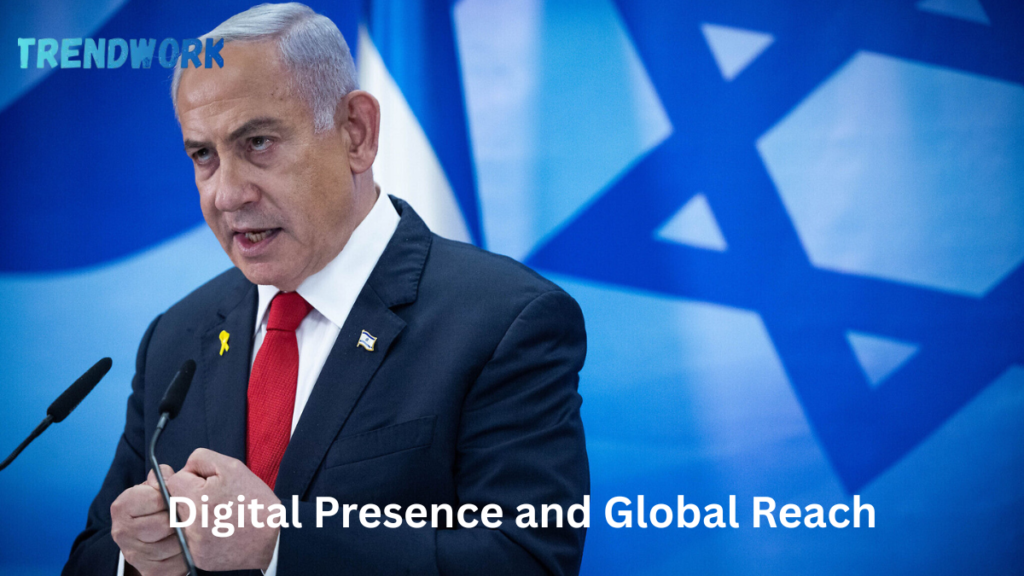
As a digital-first platform, the Times of Israel has leveraged technology to expand its influence. Its website is designed for accessibility, offering breaking news, live updates, podcasts, and multimedia features. Readers can engage with content in real time, making it a go-to source during major events.
The publication’s global reach is evident in its readership demographics. Millions of readers from North America, Europe, and Asia regularly access its content, reflecting its role as a bridge between Israel and the world. For Jewish communities abroad, the Times of Israel serves as a vital connection to cultural and political developments in Israel. Its presence on social media further amplifies its reach, ensuring that stories resonate across platforms and audiences.
Times of Israel in the Media Landscape
Within Israel’s media ecosystem, the Times of Israel occupies a unique position. Unlike traditional outlets such as Haaretz or Jerusalem Post, it was built for the digital age, prioritizing speed, accessibility, and global engagement. Internationally, it competes with major outlets like BBC and CNN when it comes to Middle East coverage, but its focus on Israel gives it a distinctive edge.
Critics and supporters alike acknowledge its influence in shaping narratives about Israel. While some debate its neutrality, others praise its commitment to diverse voices. Partnerships and syndications with other media organizations have further expanded its visibility, cementing its role as a key player in global journalism.
Impact on Politics and Public Opinion
The Times of Israel plays a significant role in shaping political discourse. Its coverage of Israeli elections provides readers with detailed insights into party platforms, voter trends, and policy debates. Beyond Israel, its reporting influences diaspora communities, shaping how Jewish populations worldwide perceive developments in the homeland.
Internationally, the publication’s reporting often intersects with diplomacy. By covering peace talks, conflicts, and global reactions to Israeli policies, it contributes to shaping public opinion and international narratives. Case studies, such as its reporting on the Abraham Accords or Gaza conflicts, highlight how its journalism can influence both local and global debates.
Challenges and Criticisms
Like all media outlets, the Times of Israel faces challenges. Accusations of bias are common, with critics questioning whether its reporting leans toward particular political perspectives. Navigating misinformation in the digital era is another hurdle, as the speed of online news often risks inaccuracies.
Financial sustainability also poses challenges. As advertising revenues decline across the industry, digital outlets must innovate to remain viable. Competition from other global media outlets adds pressure, forcing the Times of Israel to continually adapt its strategies to maintain relevance.
Future of Times of Israel
Looking ahead, the Times of Israel is poised to continue its evolution. Innovations in digital journalism, such as interactive reporting and AI-driven analysis, may shape its future. Expanding into new languages and regions could further broaden its reach, ensuring that diverse audiences engage with its content.
As global media landscapes shift, the Times of Israel has the potential to remain a leading voice in Middle Eastern coverage. Its commitment to accessibility, diversity, and accuracy will determine its role in shaping narratives for years to come.
Conclusion
The Times of Israel has established itself as a vital player in global journalism. From its origins as a digital-first publication to its current role as a global news source, it has consistently provided readers with timely, diverse, and impactful reporting. While challenges remain, its adaptability and commitment to journalistic integrity ensure that it will continue to influence public opinion and international discourse.
FAQs
When was Times of Israel founded?
It was founded in 2012 by journalist David Horovitz.
Who owns and operates Times of Israel?
It is independently owned and operated, with Horovitz serving as editor.
What makes Times of Israel different from other Israeli news outlets?
Its digital-first approach and global reach distinguish it from traditional outlets.
Does Times of Israel publish content in multiple languages?
Yes, it offers editions in English, Hebrew, French, and Arabic.
How does Times of Israel influence global perceptions of Israel?
Through balanced reporting and diverse perspectives, it shapes narratives worldwide.
Is Times of Israel considered politically neutral?
Opinions vary; it publishes diverse viewpoints but faces criticism of bias.
What are some major stories Times of Israel has broken?
Coverage of Israeli elections, Gaza conflicts, and the Abraham Accords are notable examples.
How can readers access Times of Israel content worldwide?
Its website and mobile platforms make content accessible globally.
Next Read: charlie kirk shooting